Agility Robotics Lays Out Six Policy Moves to Shape U.S. Humanoid Future
Agility Robotics proposes six U.S. humanoid robot policy recommendations covering safety standards, workforce transition, IP protection, and data use frameworks.
English News
Agility Robotics proposes six U.S. humanoid robot policy recommendations covering safety standards, workforce transition, IP protection, and data use frameworks.

Agility Robotics outlines 6 key policy recommendations to help the U.S. lead the humanoid robot industry — from safety standards to workforce strategy.

Neo robot vs Tesla Optimus in 2026: a friendly, in-depth comparison of home humanoid robots covering AI, safety, pricing, and real-world usability.
Humanoid robots are deploying in 8 weeks to kitchens and warehouses. China leads, Japan catches up, and power management emerges as the key technical hurdle.

1X Technologies reveals a 25-joint humanoid hand for its Neo robot, pushing dexterous manipulation closer to human capability in the global robotics race.
China’s tech giants are racing into humanoid robotics, leaving Japan and the West scrambling. Here’s what’s driving the surge and what it means globally.
1X Technologies’ Neo humanoid robot debuts a 25-joint hand, outpacing Tesla Optimus in dexterity. Here’s what it means for home robotics in 2026.
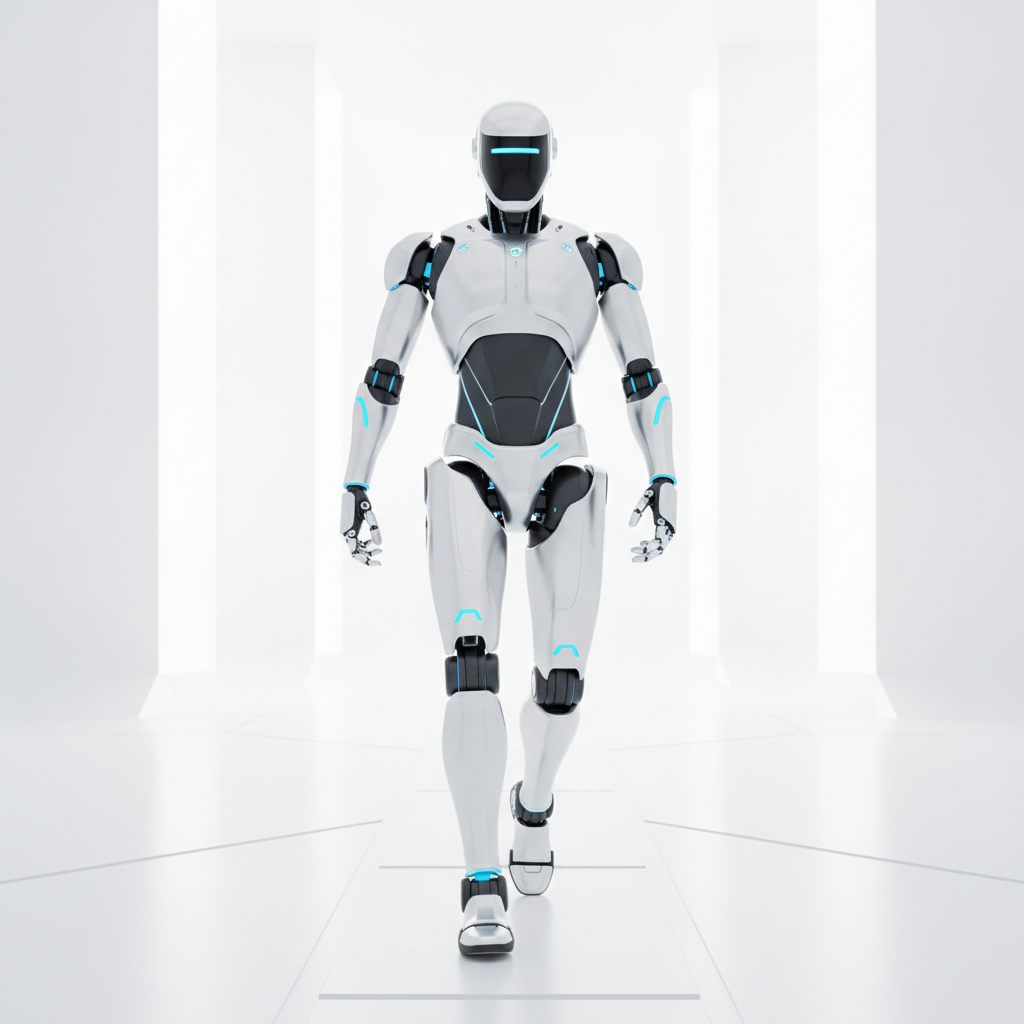
1X Technologies’ Neo robot debuts a revolutionary 25-joint hand. How does it compare to Tesla’s Optimus in the 2026 home humanoid robot race? Full analysis.

Robotaxis face a make-or-break moment: Uber bets on AV partnerships, a new app compares robotaxi prices, and the industry faces mounting pressure to scale.

Tesla Optimus, China’s robotics giants, and Japan’s comeback bid: a 2026 breakdown of the global humanoid robot race and what it means for the future.